Food safety is non-negotiable for businesses like restaurants, food trucks, bakeries, and cafes. What if we told you that security cameras can help you prevent foodborne illness and contamination? Cameras ensure that everyone is following proper food handling, preparation and storage rules. They become a powerful tool for verifying proper food handling practices when placed strategically.
If you’re considering commercial CCTV installation for restaurants in Utah, you’re on the path toward strengthening safety and accountability. In this blog, we’ll show how the correct camera setup can spotlight potential risks and help protect your customers and reputation.
Table of Contents
ToggleFood Safety and Video Surveillance Go Hand in Hand
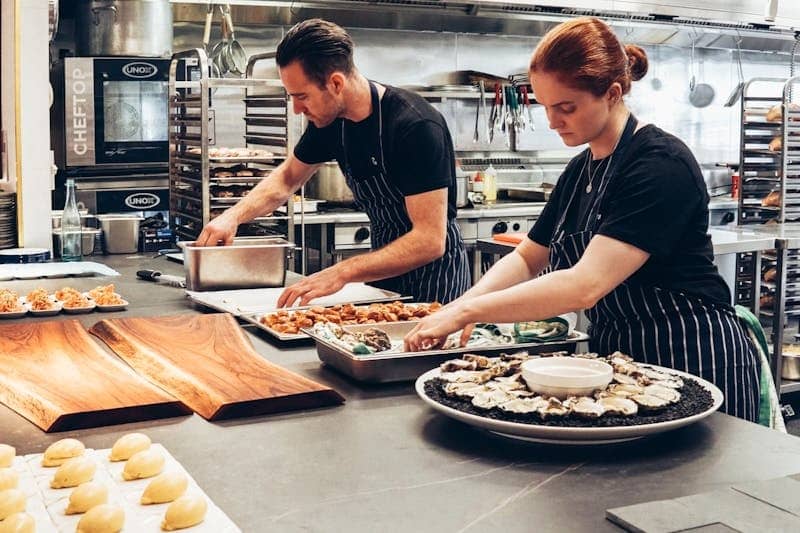
You may wonder how video surveillance ensures food safety. Think of your kitchen as a high-stakes lab, where every detail counts. You need oversight during peak service hours, but can’t be everywhere at once.
A network of cameras lets you observe employee actions across all areas of your kitchen, even from a distance of miles away. With live monitoring and recording, you capture real behaviors instead of relying on written logs or memory.
It also creates a video audit trail. If a customer files a foodborne illness complaint or an inspector requests proof of safe practices, you can quickly review footage to demonstrate that employees followed all steps, from handwashing to temperature checks, correctly.
This objective record also helps isolate issues and train your team to prevent them from recurring. In short, your surveillance system becomes a tool for risk mitigation and team accountability.
Key Areas to Keep an Eye On
Start by assessing which areas of your business pose the biggest food safety risks. Not every corner requires constant coverage, but the areas where errors have severe consequences should. These locations typically include:
- Food prep counters
- Refrigeration units
- Dishwashing stations
- Delivery areas
- Service lines
By directing cameras at these zones, you not only manage safety but also spot inefficiencies or shortcuts that might slip through regular audits.
For example, if your prep counter camera keeps catching staff switching from raw to cooked food without changing gloves, that’s a coaching opportunity. Catching mistakes early means you fix issues before they become bigger problems. With thoughtful camera placement, you’ll gain valuable insights that keep your kitchen running smoothly and safely.
Monitor Hygiene and Handwashing
Hand hygiene is one of the top controls in preventing foodborne illness. Yet compliance can suffer, especially during busy shifts. When you equip stations with cameras aimed at sinks and prep counters, you’ll have live and recorded evidence of whether staff wash their hands with soap at proper intervals, and rinse thoroughly.
Reviewing footage regularly allows you to provide immediate feedback if someone skips this step. You can even overlay signage or prompts in staff training to reinforce when and how handwashing must happen. At a minimum, video surveillance gives you hard visual proof to coach better habits.
Verify Proper Food Storage and Temperature
You count on proper refrigeration and dry storage to keep your ingredients safe, but things can go wrong, like equipment breaking down or someone accidentally leaving a door open. Cameras watching the gauges and door activity help you catch these problems early. If you see staff leaving freezer doors open too long, you can step in before food gets spoiled.
Plus, when you combine camera footage with regular temperature checks, you get a clear view of what’s normal and what’s not. For example, if a delivery shows up during the lunch rush, you can quickly verify that the driver put everything straight inside instead of leaving it out in the heat. That kind of extra oversight protects both your business and your customers.
Provide Training and Accountability with Real Examples
You can’t train everyone on every shift. However, recorded footage gives you clear, real-world examples to learn from. Imagine a sandwich shop where a new hire’s camera catches a messy handoff between cooked and raw items, risking cross-contamination. You use that footage in a team meeting to show how simple steps, like changing gloves or cleaning surfaces, can prevent the problem.
Showing that clip helps everyone understand the “why” behind the rules. You’re not just telling them what to do, you’re showing the difference between safe practices and potential hazards. Visual examples often make a bigger impact than any written policy or checklist.
Confirm Food Safety Audit Compliance
Health departments often require you to demonstrate that you followed protocols with:
- Handwashing logs
- Temperature records
- Cross‑contamination prevention
Clear video records can give authorities solid proof that you consistently follow food safety procedures. If you’re proactive about showing compliance, that kind of evidence can help ease inspections or even prevent fines.
Since surveillance footage is time-stamped and is difficult to alter, it makes a reliable audit trail. Just make sure your monitoring respects privacy and legal rules. Keep cameras focused on work areas and let your staff know they’re being recorded. When done right, cameras help you run a responsible operation without crossing any trust or legal lines.
Promote a Culture of Food Safety Through Visibility
When video monitoring, protecting food safety is just as important as preventing theft. Installing a CCTV system won’t change behavior on its own, but when combined with clear policies and solid training, it can help your team take pride in running a safe and efficient kitchen.
When staff see a monitor or know you are reviewing the footage, it reinforces the importance of following procedures that keep customers safe and your business running smoothly. Over time, you’ll see fewer slip-ups and consistent habits. That kind of consistency protects your operation and builds lasting trust with your customers.
Balance Surveillance and Employee Trust
Cameras are powerful tools, but it’s important to balance safety with trust. Use them in shared spaces where food safety risks are highest, and be open with your team about why they’re there. When staff know the goal is to keep everyone safe and that footage is used to support and train, not punish, they’re more likely to get on board.
When you frame surveillance as part of your commitment to quality and care, it stops feeling like a secret watch and becomes part of the culture you’re building together.
Your Camera Strategy for Stronger Food Safety
Food safety is about creating a culture where everyone is aware and accountable. A well-designed camera system helps make that possible. From reinforcing hygiene habits to catching small mistakes before they grow, video surveillance gives you real-time insight and lasting peace of mind. A high-quality CCTV system installation for your restaurant in Utah is a smart investment and a daily commitment to running a safer kitchen and building trust with every customer who walks through your doors.